

Greece Raises Highway Toll Fees in 2026, Affecting Bulgarian Travelers and Transport Operators
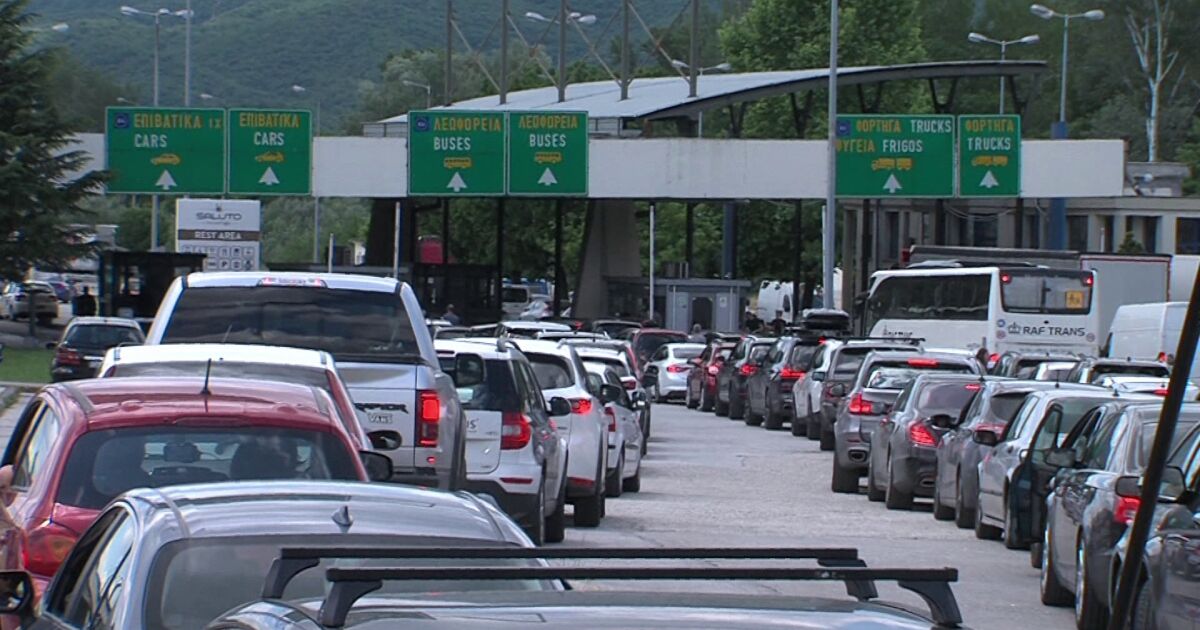
Greece Raises Highway Toll Fees in 2026
Driving through Greece is getting a bit more expensive. New toll hikes affect the major highways from Athens to northern and western Greece, key routes for Bulgarians traveling to Thessaloniki and the Peloponnese. The price change is a result of inflation-related updates built into the agreements between the government and motorway companies.
One of the most frequently used routes by Bulgarian visitors, "Attiki Odos", which serves as the main ring road around Athens, saw the toll for passenger vehicles rise from €2.50 to €2.55. The €0.05 difference represents a 2 percent increase* compared to the previous rate.
More noticeable changes affect long-distance travel. On the "Olympia Odos" motorway, which connects Elefsina with Patra and Pyrgos and is often used by Bulgarian tourists heading toward western and southern Greece, the total toll for passenger cars increased from approximately €15.40 to €19.50. This represents an increase of about 26.6 percent, driven by inflation adjustments and the introduction of an additional toll station near Patra.
The "Moreas Motorway", linking Corinth with Tripoli and Kalamata, also recorded higher tolls. The price for standard vehicles rose from €11.30 to €11.75, corresponding to an increase of nearly 4 percent. This route is commonly used by travelers heading to southern Peloponnese resorts, particularly during the summer season.
Per BTV Novinite, comparable adjustments are being implemented throughout Greece’s network of concession-operated motorways. According to state officials, these increments align with established contractual frameworks meant to secure the necessary capital for ongoing upkeep, infrastructure development, and operational management.
For Bulgarian transport companies operating freight routes to Greece, as well as for individual travelers planning holidays or business trips, the updated toll fees may result in higher overall travel expenses, particularly on longer routes where multiple toll stations are involved. Motorcycles remain exempt from increases on some highways, while commercial vehicles are subject to proportional adjustments depending on vehicle category.
Bulgarian drivers traveling to Greece in 2026 are advised to familiarize themselves with the revised toll structure in advance and factor the updated costs into their travel planning.
*The percentage changes are calculated by dividing the increase by the original price. This is a standard method and can be verified using online percentage calculator tools.
Konstantin Iliev
BTV Media Group
email us here
Legal Disclaimer:
EIN Presswire provides this news content "as is" without warranty of any kind. We do not accept any responsibility or liability for the accuracy, content, images, videos, licenses, completeness, legality, or reliability of the information contained in this article. If you have any complaints or copyright issues related to this article, kindly contact the author above.
